

Ho Huu Thu & Trinh Thanh Tung Vietnamese Artist

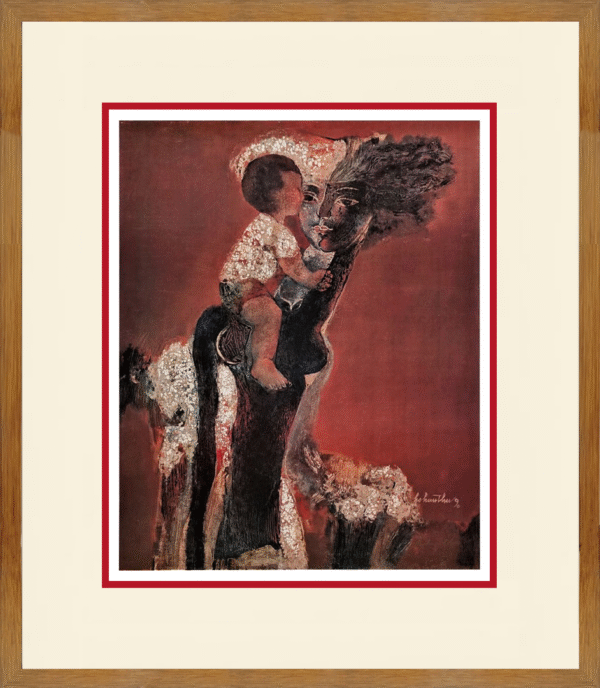
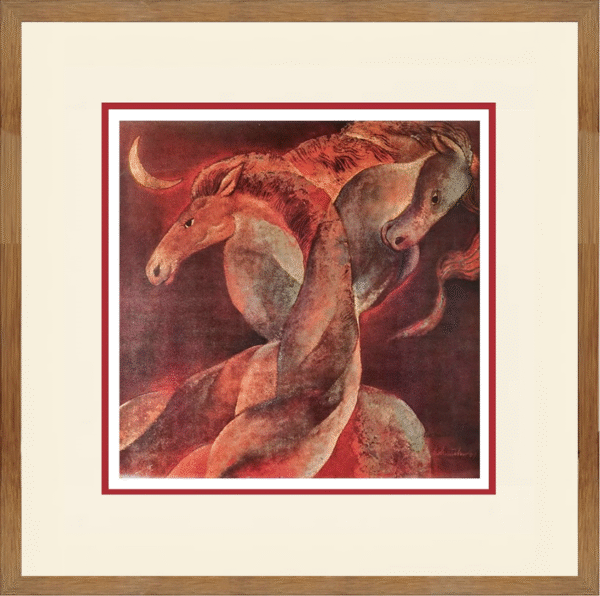
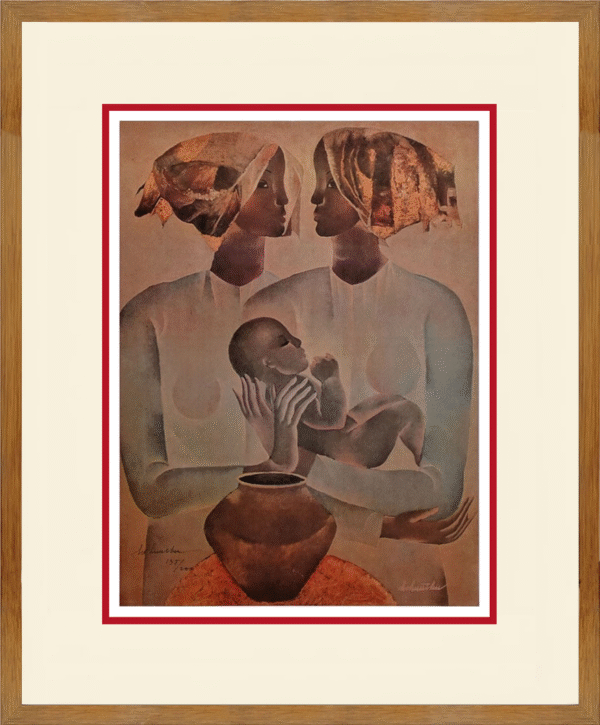
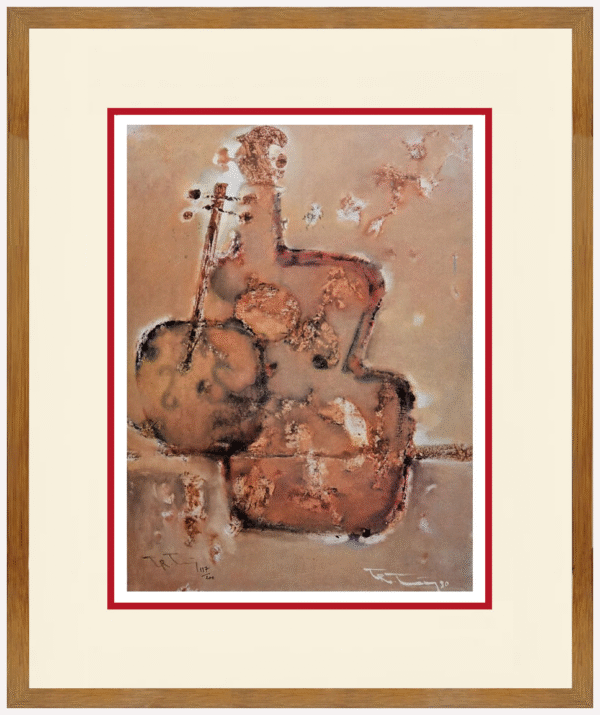

The Renaissance of Vietnamese Art – Romantic Classical Expressions in Handsigned and Limited Editions by Ho and Trinh.
As socialist Vietnam opens its doors to the outside world, the wind of Glasnost have revealed a new wave of artists in a country where cultural life has remained stagnant for many years. There is currently an explosion of creativity in Vietnamese art circles. Liberalization has effected some spheres of artistic expression dramatically, and it has rather benefited painting and sculptures.
Before the advent of glasnost in the mid-1980s, Vietnamese artists often had to adopt an oblique or evasive position in order to express themselves, through a return to traditional naive folk and popular art forms – silk, woodblock prints, papercuts and lacquer, the doyen of Vietnamese art crafts. They drew their inspiration from the richness of their cultural heritage. This led to a eulogy of a “Golden AGE”, the more distant past as opposed to the revolutionary legacy.
Today, as if to compensate for the long absence of free expression. Vietnamese painters are hectically creating in all directions to satisfy their thirst for colours and new themes. The most familiar subjects no longer belong the dismal register of social realism, which usually praise the achievements of the revolution. Landscapes, pastoral scenes and portrait reflect the inner feeling of the artist. Women, particularly nudes with voluptuous forms, are a common theme and a vehicle with which to propound the new message of freedom. With a human face. Vietnamese art has become apolitical.
If there is currently no unifying trend, no major school, there is nevertheless a healthy atmosphere of rediscovery, which is basic to any artistic renewal. The colours and the themes, the techniques and the iconography and amazingly rich, despite the scarcity of materials. Vietnamese artists are accustomed to working in an austere environment, and they are extremely inventive and can create from almost any medium. In their hands, the darkest materials can emerge transfigured with light. Colours and forms seems seem to dance as if liberated from past constraints.
An artistic renaissance is brewing in Vietnam, in the North and in the South, and the early harvest has been bumper, as was attested by the most recent Annual Painting National Exhibition in Hanoi from December 1990 to January 1991. Vietnamese critics hailed the exhibition as “an unprecedented burst of artistic creations”. Foreign diplomats were amazed at this infectious joie de vivre, which seem to transcend the harsh realities of Vietnamese society.
This review gives a special attention to HO HUU THU and TRINH THANH TUNG, the two most promising artists in Saigon.